
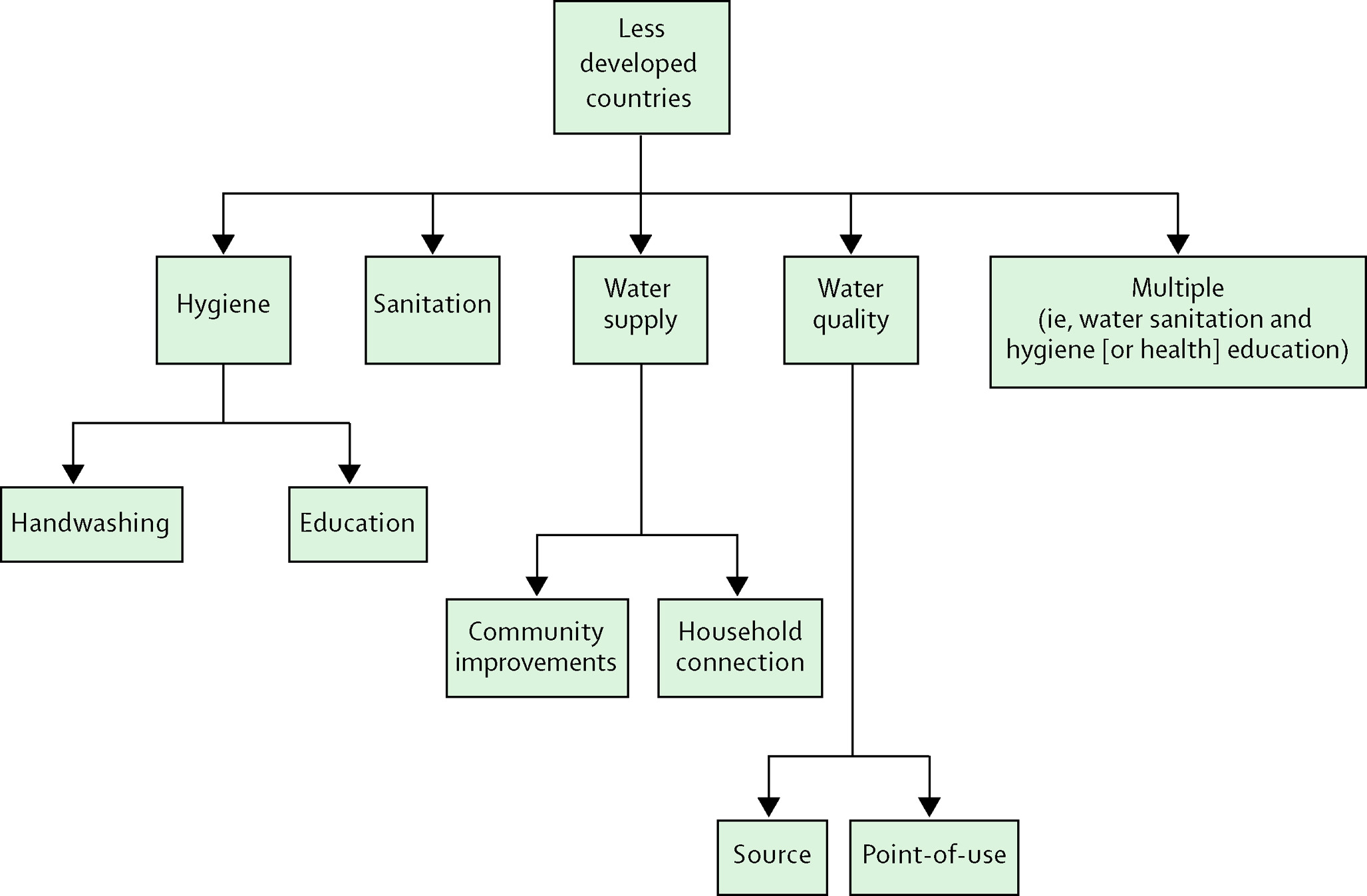
Childhood diarrhoea remains one of the most studied public health challenges because of its impact on child survival, growth, and development. What makes it particularly important is that the condition is both preventable and treatable using well-established scientific principles. The https://www.7pointplan.org/ to combat childhood diarrhoea is not based on guesswork or tradition alone, but on decades of medical research, clinical trials, and global health experience. Understanding the science behind this plan helps explain why it is so effective and why it continues to be recommended worldwide.
Understanding How Diarrhoea Affects the Body
Diarrhoea occurs when the intestines fail to absorb enough water and nutrients, often due to infection caused by bacteria, viruses, or parasites. This leads to frequent, watery stools and rapid loss of fluids and electrolytes. In young children, whose bodies contain a higher percentage of water and fewer reserves, this fluid loss can become dangerous very quickly.
Scientific research shows that dehydration, rather than the infection itself, is the primary cause of death in diarrhoeal illness. The 7-point plan is designed to interrupt this process by preventing infection, maintaining hydration, and supporting the body’s natural recovery mechanisms.
The Role of Nutrition in Immune Defense
Nutrition is a cornerstone of the 7-point plan because it directly affects immune function. Studies have consistently shown that undernourished children are more susceptible to infections and experience more severe and prolonged diarrhoeal episodes. Adequate nutrition supports the development of immune cells and the production of antibodies that help fight pathogens.
Breast milk, in particular, has been scientifically proven to provide protective antibodies, beneficial bacteria, and anti-inflammatory factors. These components reduce exposure to harmful microbes and strengthen the infant’s gut, making breastfeeding a powerful preventive tool against diarrhoea.
Clean Water and Hygiene as Barriers to Infection
The science behind hygiene and sanitation is rooted in microbiology. Pathogens that cause diarrhoea are often transmitted through contaminated water, food, and unwashed hands. Research demonstrates that handwashing with soap can significantly reduce the transmission of diarrhoeal pathogens by physically removing microbes from the skin.
Safe water and proper sanitation interrupt the cycle of contamination. By reducing the number of pathogens entering the body, these measures lower infection rates and protect children before illness even begins.
Oral Rehydration Therapy and Fluid Balance
One of the most scientifically significant breakthroughs in diarrhoea treatment is oral rehydration therapy. This therapy is based on the discovery that the small intestine can still absorb water when glucose and sodium are present, even during severe diarrhoea.
Oral rehydration solutions use this principle to restore fluid and electrolyte balance. Clinical trials across multiple countries have shown that oral rehydration dramatically reduces mortality by preventing dehydration. Its effectiveness, simplicity, and affordability make it a central pillar of the 7-point plan.
Zinc and Intestinal Recovery
Zinc supplementation is included in the plan because of its proven role in immune function and intestinal repair. Scientific studies show that zinc helps maintain the integrity of the gut lining, reducing fluid loss and improving nutrient absorption during diarrhoea.
Zinc also enhances immune response, helping the body clear infections more efficiently. Research has demonstrated that children who receive zinc experience shorter diarrhoeal episodes and fewer recurrences, making it an essential evidence-based intervention.
Continued Feeding and Metabolic Support
From a scientific perspective, continued feeding during diarrhoea supports metabolic needs and tissue repair. During illness, the body requires additional energy and nutrients to fight infection and heal damaged intestinal cells. Withholding food deprives the body of these resources, slowing recovery and increasing the risk of malnutrition.
Studies confirm that children who continue to eat and breastfeed during diarrhoea recover faster and maintain better nutritional status. This evidence underpins the recommendation to continue feeding rather than restrict it.
Immunization and Disease Prevention
Immunization is grounded in immunology and population health science. Vaccines stimulate the immune system to recognize and respond quickly to specific pathogens before severe illness develops. Certain vaccines have been shown to significantly reduce cases of severe diarrhoea, particularly in young children.
By lowering infection rates, immunization reduces the overall burden of disease and prevents complications that can lead to dehydration and death. This preventive effect strengthens the impact of the 7-point plan at both individual and community levels.
Education and Early Intervention
Behavioral science supports the inclusion of caregiver education in the plan. Research shows that informed caregivers are more likely to recognize early symptoms, begin rehydration promptly, and seek care when necessary. Early intervention dramatically improves outcomes, as dehydration and complications can be prevented before they become severe.
Education transforms scientific knowledge into practical action, ensuring that life-saving interventions are applied correctly and consistently.
Long-Term Scientific Impact on Child Development
Repeated diarrhoeal episodes are scientifically linked to long-term consequences such as stunted growth, weakened immunity, and impaired cognitive development. By reducing both the frequency and severity of diarrhoea, the 7-point plan protects not only survival but also long-term health and development.
Healthy children are more likely to grow, learn, and thrive, demonstrating that the scientific benefits of the plan extend far beyond immediate treatment.
Conclusion
The 7-point plan to combat childhood diarrhoea is firmly rooted in science, combining principles from nutrition, microbiology, immunology, and clinical medicine. Each component addresses a specific biological process that contributes to illness or recovery. Together, they form a powerful, evidence-based strategy that prevents infection, treats dehydration, supports healing, and protects long-term health. By understanding the science behind this plan, it becomes clear why it remains one of the most effective tools for reducing childhood diarrhoea and saving young lives worldwide.